What Animals Know
Five novels narrated by animals that reveal surprising truths about humans
January 20, 2025, was one of the worst days of my life. Not a claim I make lightly. I've had a lot of days.
Many of you may recognize this as the day a certain megalomaniacal, corrupt buffoon was sworn in as leader of the free world for the second time. Then again, I imagine many of you have deliberately buried that memory. But that wasn't even the worst thing that happened that day. January 20, 2025, was also the day I had to put my beloved dog to sleep.
We had Suzu for 17½ years. The love I had for that small, gentle soul was immense. The sorrow of losing her was greater still.
A dog enters your life with no interest in who you imagine yourself to be. It loves the person beneath all that. The one shuffling through the kitchen at dawn, sitting alone with a cup of coffee, staring out the window at nothing in particular. It asks for very little and gives a kind of devotion that feels almost supernatural in its purity.
When a dog dies, it leaves behind more than an absence. It takes a whole way of being seen. Suddenly the house no longer contains that small, faithful witness to your life. The creature that greeted your return as if it were a miracle, every single time. The grief can seem disproportionate to those who have never known it. But the size of a loss is not measured in pounds, years, or species. It's measured by love. And the love we bear for our pets is often vast beyond explanation.
Which brings me, somewhat improbably, to this list.
In the weeks after Suzu died, I found myself drawn to stories told from the perspective of animals. Maybe it was an attempt to stay close to her a little longer. Maybe it was an effort to imagine the inner lives of the creatures who share our homes and shape our lives. Or maybe grief just sends us wandering down strange literary side roads.
Whatever the reason, I ended up reading a surprising number of books narrated by animals. Some are funny. Some are heartbreaking. A few are profound. Here are my favorites.
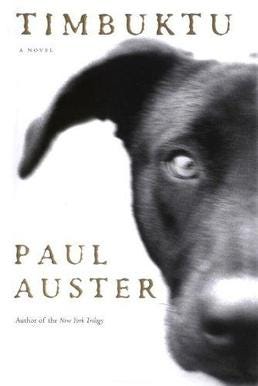
Timbuktu by Paul Auster
I’ve read every novel Paul Auster ever published, which meant revisiting the one narrated by a dog.
Timbuktu follows Mr. Bones, the devoted companion of a homeless poet named Willy G. Christmas. When Willy’s health begins to fail, Mr. Bones finds himself trying to make sense of a world that has suddenly become uncertain and unfamiliar.
The result is a moving meditation on mortality, loyalty, and the unknowable inner lives of both dogs and humans. Auster never turns Mr. Bones into a furry human. He remains unmistakably canine, even as he grapples with questions that have occupied philosophers for centuries.
If you’ve ever shared your life with a dog, there are moments in Timbuktu that land with unusual force. At its heart, the novel is about what happens when we lose those who give our lives meaning. Which may explain why it hit me harder this time than it did when I first read it.
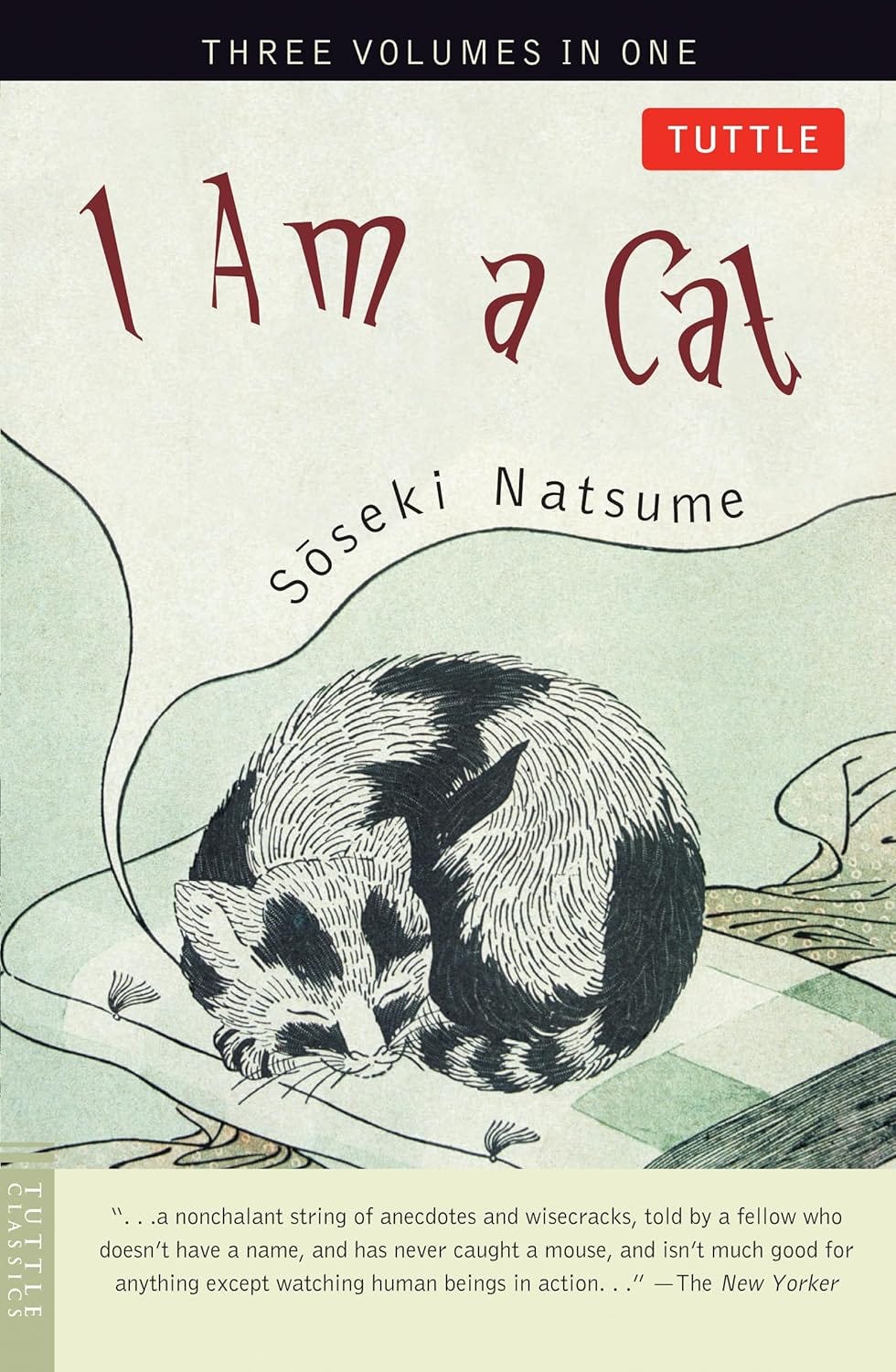
I Am a Cat by Natsume Sōseki
Few novelists occupy a place in their national literature quite like Natsume Sōseki. He was so revered in Japan that his portrait appeared on the 1,000-yen note for two decades. (The country periodically changes the faces on its currency, and unlike the United States, politicians are rarely the choice. Instead, the honor typically goes to writers, educators, scientists, and other cultural figures who helped shape the nation. Sōseki was one of them.)
Which brings us to the delightful fact that one of his most famous novels is narrated by a cat.
Published in 1905, I Am a Cat follows a nameless feline who spends his days observing the absurd habits, vanities, and pretensions of the humans around him. The cat is clever, opinionated, and more than a little smug. In other words, very much a cat. (No offense to cat lovers. I've already established myself as a dog guy.)
What begins as a comic premise gradually reveals itself as a sharp satire of a rapidly modernizing Japan and, more broadly, of human nature itself. Sōseki uses the cat’s outsider perspective to expose all the little hypocrisies and self-deceptions that people are usually too polite (or too blind) to acknowledge.
More than a century after its publication, I Am a Cat remains remarkably funny. It turns out that when you view humanity through the eyes of a mildly judgmental cat, not much has changed.
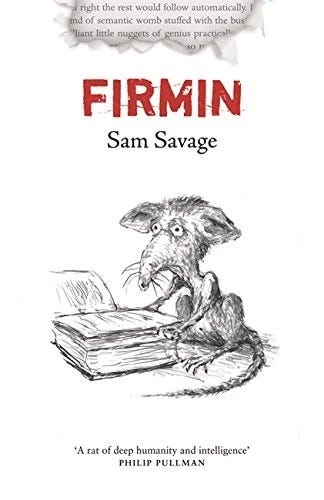
Firmin by Sam Savage
Firmin is one of the harder books on this list to track down, which is a shame because it’s also one of the best.
The novel follows Firmin, a rat born in the basement of a Boston bookstore. Surrounded by books from the moment he enters the world, he develops an unlikely passion for reading and eventually becomes far more literate than most of the humans around him.
That setup may sound whimsical, but Firmin is ultimately a novel about loneliness. Firmin can understand human language and literature, yet he remains trapped behind the unbridgeable fact of his rat-ness. He can observe the world, but never fully participate in it.
It’s a funny book, but also a surprisingly sad one. Beneath the talking-rat premise lies a moving meditation on intelligence, isolation, and the longing to be understood. If Franz Kafka had written a children’s book for adults, it might have looked something like this.
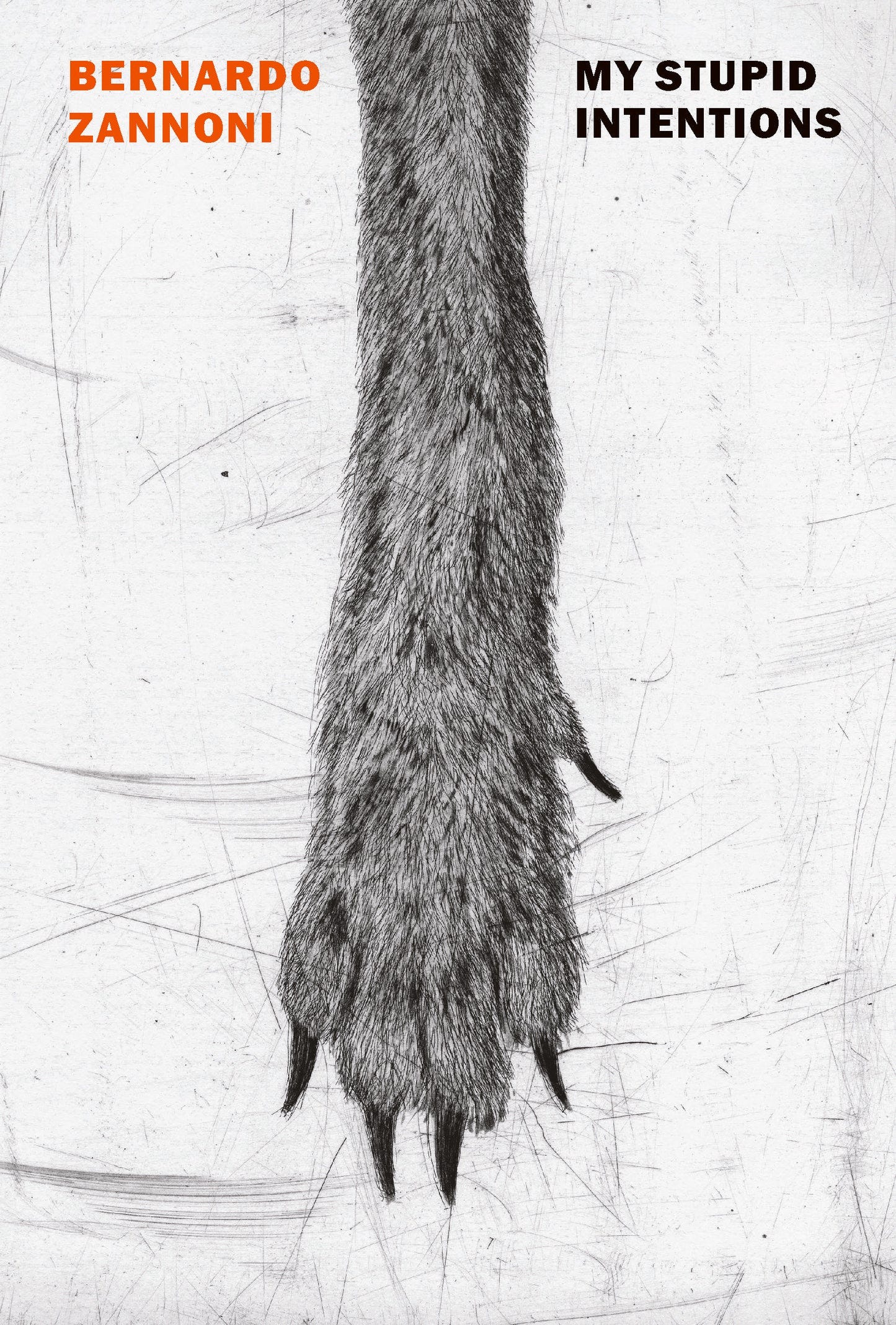
My Stupid Intentions by Bernardo Zannoni
I picked up My Stupid Intentions because it was narrated by a stone marten—a small, weasel-like mammal found throughout Europe. If you’re unfamiliar with stone martens, don’t worry. Prior to reading this novel, so was I.
The book follows Archy, a young marten born into a harsh world governed by hunger, violence, and survival. After an encounter with an older animal who possesses something resembling wisdom, Archy becomes obsessed with questions most animals (and most humans) would prefer to avoid. Why are we here? What happens when we die? How should we live?
That description makes the novel sound unbearably earnest. It isn’t. Zannoni manages to be philosophical without becoming pretentious, and dark without becoming oppressive. The result is a strange, compelling coming-of-age story that feels part fable, part existential novel.
Of all the books on this list, My Stupid Intentions was the one that surprised me most. I came for the talking marten. I stayed for the meditation on mortality.
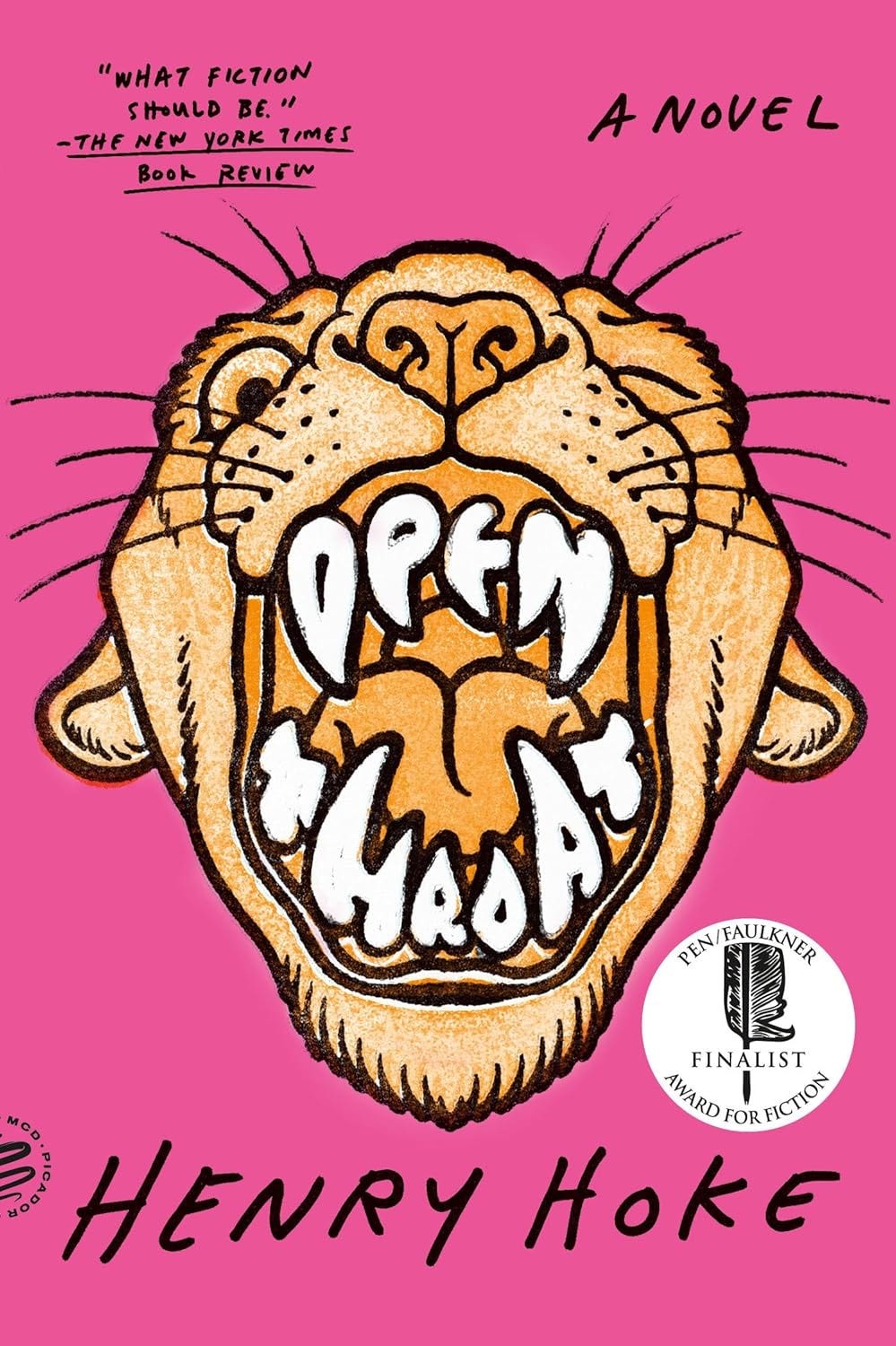
Open Throat by Henry Hoke
The narrator of Open Throat is a mountain lion living in the hills above Los Angeles, watching humanity from the margins.
Hoke writes from the lion’s perspective with remarkable discipline, creating a voice that feels genuinely nonhuman while still allowing the animal to reflect on the strange behaviors of the people who wander through its territory. The result is part environmental novel, part social commentary, and part meditation on what it means to exist on the edges of a world that no longer has much room for you.
What makes Open Throat so effective is its restraint. The mountain lion is not a furry philosopher dispensing wisdom from above. It is a predator trying to survive. Yet from that limited vantage point, Hoke manages to illuminate loneliness, displacement, inequality, and our increasingly fractured relationship with the natural world.
It’s a short novel, but one that lingers. After spending hundreds of pages inside the minds of animals preoccupied with human beings, I found it refreshing to inhabit the consciousness of one that doesn’t particularly need us, understand us, or even like us very much.
Suzu was the only pet I had as an adult. We raised her alongside our two children. Then, as the kids left home for college and careers, Suzu grew old. Her mobility declined. Her eyesight faded. Her hearing followed.
In my mind, she became inseparable from a chapter of my life that had come to an end. She wasn’t just a dog. She was a living connection to the years when our family was under one roof. After she died, the idea of getting another dog felt as foreign to me as starting a new family. Those years had been wonderful. But they were over.
But as fate would have it, an opportunity arose to adopt another dog.
I resisted. For a while, anyway. Eventually, resistance gave way to reluctant acquiescence, aided in no small part by the fact that my wife really, really wanted him.
As I write this, we've had Haku for exactly one week, which is roughly one-ninth of his life.
And, yup, I love him.
Not in the way I loved Suzu. Not yet. How could I? But the process has already begun.
It turns out the heart is capable of opening a new chapter even after you’ve convinced yourself the book is finished.
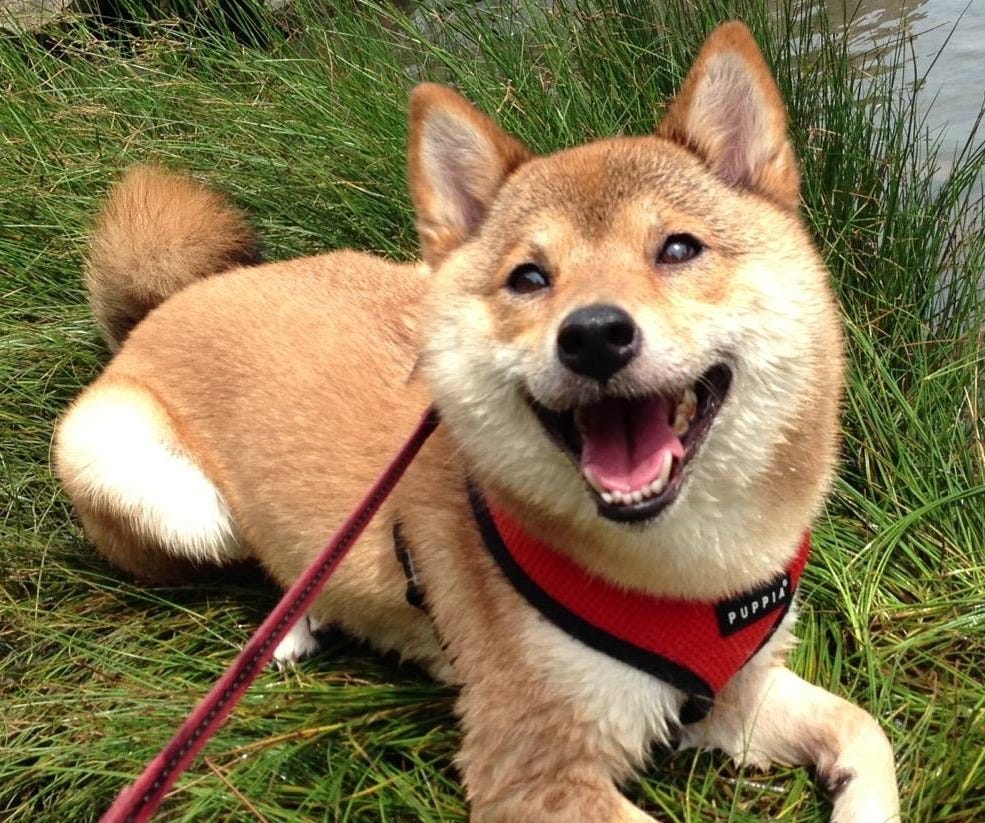
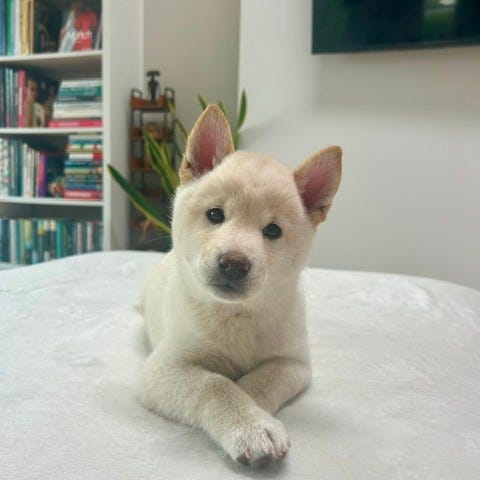
Tell me about the animals that have shaped your life. Or your favorite novel narrated by an animal, or about one. Or simply your thoughts on this essay. I'd love to hear from you in the comments.
Explore my other publication…
Open Letters by Mersault
Dispatches on politics, society, and the various absurdities and emergencies presently passing themselves off as civilization.↓